India’s forts are more than massive stone structures. They are living reminders of centuries of history, culture, warfare, and architectural brilliance. From the deserts of Rajasthan to the core of Delhi and the Deccan Plateau, these magnificent fortresses tell stories of powerful kingdoms, legendary rulers, and historic battles. In 2026, heritage tourism continues to attract travelers eager to explore these remarkable landmarks and experience India’s rich past firsthand. Most travellers visit the same three or four forts and miss some of India’s most compelling historical sites. This guide covers both well-known and lesser-visited forts worth your time in 2026.
Key Facts
| Factor | Details |
| Best months to visit | October to March |
| Average entry fee | ₹35 to ₹600 (Indians); higher for foreign nationals |
| Time needed per fort | 2 to 4 hours |
| Guided tours available | Yes, at most major forts |
Best Season to Visit Indian Forts
| Month | Conditions | Recommended? |
| October to December | Cool and dry | Yes |
| January to February | Cold mornings, clear days | Yes |
| March | Warming up | Yes |
| April to June | Hot to very hot | Avoid midday visits |
| July to September | Monsoon; slippery surfaces | Caution |
7 Fort Worth Visiting in India
- Amer Fort, Jaipur
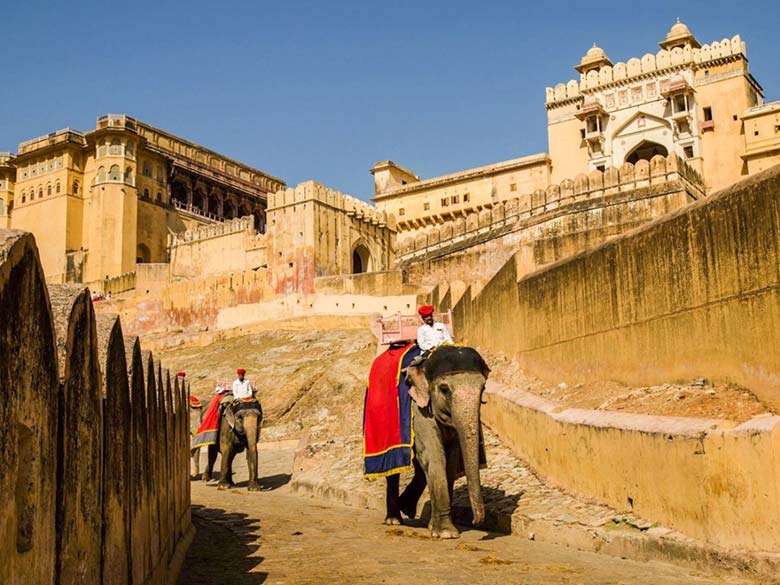
Amer sits on a hill above Maota Lake. The mirror work inside Sheesh Mahal is genuinely impressive. Go early, crowds arrive by 10 AM.
- Agra Fort, Agra
Most visitors rush to the Taj Mahal and skip Agra Fort. That is a mistake. The fort held Mughal emperors for over 200 years and shows far more history per square metre than the Taj.
- Red Fort, Delhi
The Red Fort sits at the heart of Old Delhi. The evening sound and light show gives useful historical context for first-time visitors. North India Tour Packages almost always include this stop, and for good reason.
- Gwalior Fort, Madhya Pradesh
Gwalior Fort is one of India’s largest and oldest forts, yet most tourists overlook it. It sits on a 100-metre sandstone hill and contains temples, palaces, and water tanks spread across 3 square kilometres. Give it a full day.
- Daulatabad Fort, Aurangabad
This fort was built on a volcanic rock cone in the 12th century. It has a dark tunnel passage that was designed to confuse invaders. Carry a torch. Few Tour Operators in India include it in standard Maharashtra circuits, which makes it quieter and more rewarding.
- Jaisalmer Fort, Rajasthan
Jaisalmer is a living fort, around 3,000 people still live inside its walls. The narrow lanes, havelis, and rooftop cafes feel unchanged from centuries ago. Stay one night inside the fort for a different perspective.
- Golconda Fort, Hyderabad
Golconda is famous for its acoustic clapping trick at the entrance gate; a clap at the base echoes to the top. The fort also supplied the world’s most famous diamonds, including the Koh-i-Noor. Evening visits during the light show are worth the trip.
Budget Planning for Fort Visit
| Fort | Indian Entry Fee | Foreign Nationals |
| Red Fort, Delhi | ₹35 | ₹500 |
| Agra Fort | ₹40 | ₹600 |
| Amer Fort, Jaipur | ₹100 | ₹500 |
| Gwalior Fort | ₹75 | ₹250 |
| Golconda Fort | ₹25 | ₹300 |
Which Forts Appear in Golden Triangle Tour Packages
Golden Triangle Tour Packages cover Delhi, Agra, and Jaipur. This means travellers on this circuit visit Red Fort and Agra Fort as part of their standard itinerary, and usually Amer Fort in Jaipur. Three forts in one trip is a solid introduction to Mughal and Rajput architecture.
Practical Tips Before Visiting Forts
| Tip | Detail |
| Book tickets online | Saves queues at Red Fort and Amer Fort |
| Hire a local guide | ₹300 to ₹600; significantly improves understanding |
| Wear comfortable shoes | Uneven stone paths throughout |
| Avoid midday in summer | Stone surfaces heat up quickly |
| Photography rules | Check before entry; some interiors restrict flash |
Common Mistakes to Avoid Before Heritage Fort Visit in India
| Mistake | Why It Matters |
| Spending too little time | Most forts need 3+ hours to explore properly |
| Skipping audio guides | Context transforms what you see |
| Ignoring off-beat forts | Gwalior and Daulatabad are less crowded and equally historic |
| Visiting only in peak season | October to December gets very busy; February and March are quieter |
Conclusion
India’s forts are not just monuments. They were centres of power, trade, and culture for centuries. The well-known ones are worth your time, but the off-beat ones, Gwalior, Daulatabad, Golconda, often leave a stronger impression. Plan each fort visit carefully, give it enough time, and hire a guide at least once. History makes far more sense when someone explains it on the ground. If you want an enjoyable experience, call Swan Tours, one of the most reputed travel agents in India.
FAQs
Which is the most famous fort in India?
Red Fort in Delhi and Amer Fort in Jaipur are the most visited. Agra Fort is equally significant historically but receives less attention than the Taj Mahal nearby.
Which forts are included in Golden Triangle Tour Packages?
Most Golden Triangle itineraries cover Red Fort and Humayun’s Tomb in Delhi, Agra Fort, and Amer Fort in Jaipur. Some include Fatehpur Sikri near Agra as well.
What is the best fort for history lovers?
Agra Fort and Gwalior Fort offer the deepest historical layers. Both served as royal residences, prisons, and military strongholds across multiple dynasties.
Which fort is best for photographers?
Jaisalmer Fort offers the best natural light and textures. The golden sandstone changes colour through the day. Early morning and late afternoon give the best shots.
Are Delhi forts worth visiting in 2026?
Yes. Red Fort and Purana Qila both reward careful visitors. Purana Qila is far less crowded than Red Fort and contains ruins dating to the 16th century. Many Travel Agents in India overlook it in standard itineraries.