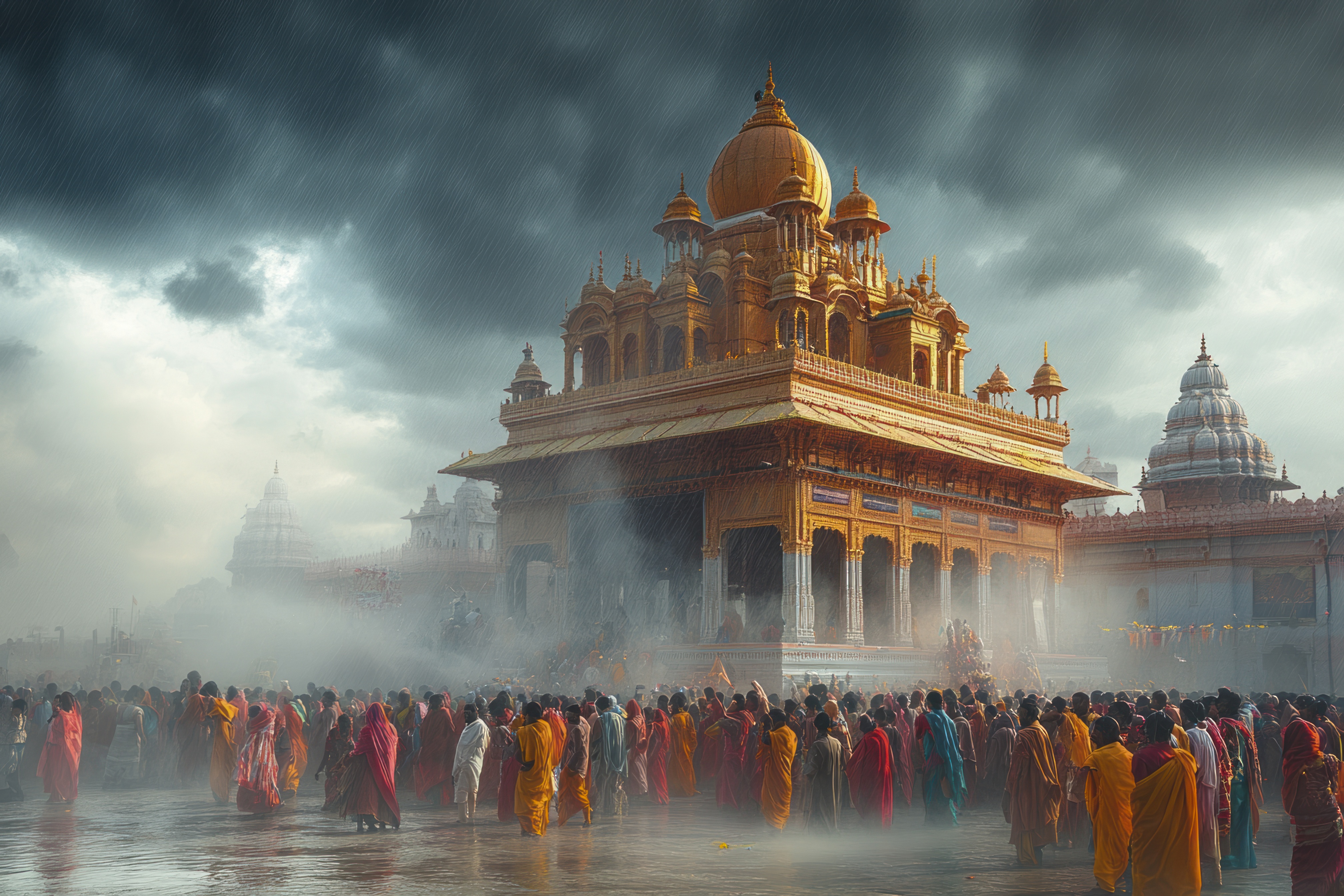
Across India, 12 sacred temples hold a place that no other pilgrimage site quite matches. These are the Jyotirlingas: each one a self-manifested form of Lord Shiva, not built by human hands but believed to have appeared as a pillar of eternal light. For millions of Hindu devotees, visiting all 12 is not just a religious goal; it is a life’s wish. If you have been putting off planning this Yatra because the route feels too big, too spread out, or too difficult to coordinate, this guide breaks it all down for you, clearly and completely.
What Are the 12 Jyotirlingas and Where Are They Located?
The word “Jyotirlinga” combines two Sanskrit words: Jyoti (radiance or light) and Linga (sign or form). According to the Shiva Purana, there were originally 64 Jyotirlinga shrines, of which 12 are considered the most sacred. These 12 sites span 9 states across the country.
| # | Jyotirlinga | Location | State |
| 1 | Somnath | Prabhas Patan, near Veraval | Gujarat |
| 2 | Mallikarjuna | Srisailam, Nallamala Hills | Andhra Pradesh |
| 3 | Mahakaleshwar | Ujjain, banks of Kshipra River | Madhya Pradesh |
| 4 | Omkareshwar | Mandhata Island, Khandwa | Madhya Pradesh |
| 5 | Kedarnath | Rudraprayag, altitude 3,553 m | Uttarakhand |
| 6 | Bhimashankar | Near Pune, dense forest area | Maharashtra |
| 7 | Kashi Vishwanath | Varanasi, western bank of Ganga | Uttar Pradesh |
| 8 | Trimbakeshwar | 28 km from Nashik | Maharashtra |
| 9 | Baidyanath | Deoghar | Jharkhand |
| 10 | Nageshwar | Between Dwarka and Bait Dwarka | Gujarat |
| 11 | Rameshwaram | Rameshwaram Island | Tamil Nadu |
| 12 | Grishneshwar | Near Ellora Caves, Aurangabad | Maharashtra |
Maharashtra holds the highest count with 3 Jyotirlingas. Gujarat has 2, and Madhya Pradesh has 2. This distribution matters a lot when you plan your route, because grouping nearby temples saves you significant travel time.
What Is the Best Route to Cover All 12 Jyotirlingas?
Most experienced pilgrims and travel agents in Delhi recommend completing the Yatra in circuits rather than a single linear journey. There are 2 practical routes depending on where you start from.
Route 1: Starting from North India (Delhi, Varanasi, Uttarakhand)
Kedarnath → Kashi Vishwanath (Varanasi) → Baidyanath (Deoghar) → Mahakaleshwar (Ujjain) → Omkareshwar → Grishneshwar → Bhimashankar → Trimbakeshwar → Somnath → Nageshwar → Mallikarjuna → Rameshwaram
Route 2: Starting from South India
Rameshwaram → Mallikarjuna → Bhimashankar → Grishneshwar → Trimbakeshwar → Omkareshwar → Mahakaleshwar → Somnath → Nageshwar → Kedarnath → Baidyanath → Kashi Vishwanath
| Route Segment | Approximate Distance |
| Kedarnath to Varanasi (by road/train) | ~400 km |
| Varanasi to Deoghar | ~280 km |
| Deoghar to Ujjain | ~1,000 km |
| Ujjain to Omkareshwar | ~80 km |
| Maharashtra circuit (3 temples) | ~550 km total |
| Maharashtra to Gujarat (Somnath) | ~600 km |
| Somnath to Nageshwar | ~668 km |
| Gujarat to Andhra Pradesh (Mallikarjuna) | ~1,200 km |
| Mallikarjuna to Rameshwaram | ~1,019 km |
The full 12 Jyotirlinga Yatra covers approximately 10,000 to 12,000 km depending on your starting point and mode of transport. Allow 20 to 30 days at minimum for a complete and unhurried pilgrimage.
What Is the Best Time to Visit Each Jyotirlinga in India?
This is where many pilgrims make errors. Kedarnath, being at 3,553 metres, is only accessible from late April or early May to October. If you plan your Yatra during winter without checking this, you will find the temple doors closed.
| Jyotirlinga | Best Visiting Months | Temple Timings |
| Kedarnath | May to October | 4:00 AM to 9:00 PM |
| Somnath | October to March | 6:00 AM to 9:00 PM |
| Mahakaleshwar | October to March | 4:00 AM to 11:00 PM |
| Omkareshwar | October to March | 5:00 AM to 9:30 PM |
| Rameshwaram | October to April | 5:00 AM to 9:00 PM |
| Kashi Vishwanath | November to February | 2:30 AM to 11:00 PM |
| Trimbakeshwar | October to March | 5:30 AM to 9:00 PM |
| Bhimashankar | October to February | 4:30 AM to 9:30 PM |
| Mallikarjuna | October to February | 4:30 AM to 10:00 PM |
| Grishneshwar | October to March | 5:30 AM to 9:30 PM |
| Baidyanath | October to February | 4:00 AM to 3:30 PM |
| Nageshwar | October to March | 5:00 AM to 9:00 PM |
The best period to plan the complete Yatra is between October and April, keeping Kedarnath for May onwards. Monsoon months (July to September) are best avoided for the hill shrines due to landslide risk and road closures.
What Should Every Pilgrim Know Before Starting This Yatra?
- Carry all identity documents, as some temples require registration or entry records from pilgrims.
- Book accommodations in advance for Kedarnath, Varanasi, and Rameshwaram, especially during Maha Shivratri.
- The Bhasma Aarti at Mahakaleshwar requires advance booking and begins before sunrise.
- Rohtang-type permits are not required for Kedarnath but helicopter booking needs early planning.
- Dress modestly and follow each temple’s specific darshan rules, which differ at every site.
Planning a Yatra covering 9 states and roughly 12,000 km is not something most people can manage alone, particularly for senior devotees or families travelling with elderly members.
Swan Tours, one of the most experienced pilgrimage tour operators in India, handles 12 Jyotirlinga packages with customized routes, private transfers, pre-booked accommodation, and guided assistance at every temple. You can visit swantour.com or call +91 11 23415601 to plan your Yatra according to your preferred timeline and starting city.
FAQs
Q1. Can all 12 Jyotirlingas be visited in 1 trip, and how many days are required?
Yes, the complete Yatra is possible in 1 trip and typically requires 20 to 30 days. The duration depends on your starting city, mode of travel, and time spent at each shrine. Pilgrims travelling by train and road need more time than those using a combination of flights and private vehicles.
Q2. Which travel agents in Delhi offer complete 12 Jyotirlinga tour packages?
Several travel agents in Delhi offer pilgrimage tour packages covering all 12 Jyotirlingas. Look for operators with a track record in religious tours who can handle inter-state road logistics, helicopter bookings for Kedarnath, and temple registration where required. Customisation for senior travellers and families is an important factor when choosing your operator.
Q3. What is the significance of visiting all 12 Jyotirlingas in India?
According to Hindu belief, visiting all 12 Jyotirlingas cleanses accumulated karma and brings the devotee closer to moksha: liberation from the cycle of rebirth. The Shiva Purana states that simply chanting the names of all 12 Jyotirlingas at dawn and dusk bestows spiritual merit equal to visiting them. The Yatra itself is considered both a physical journey and a deeply personal act of devotion.