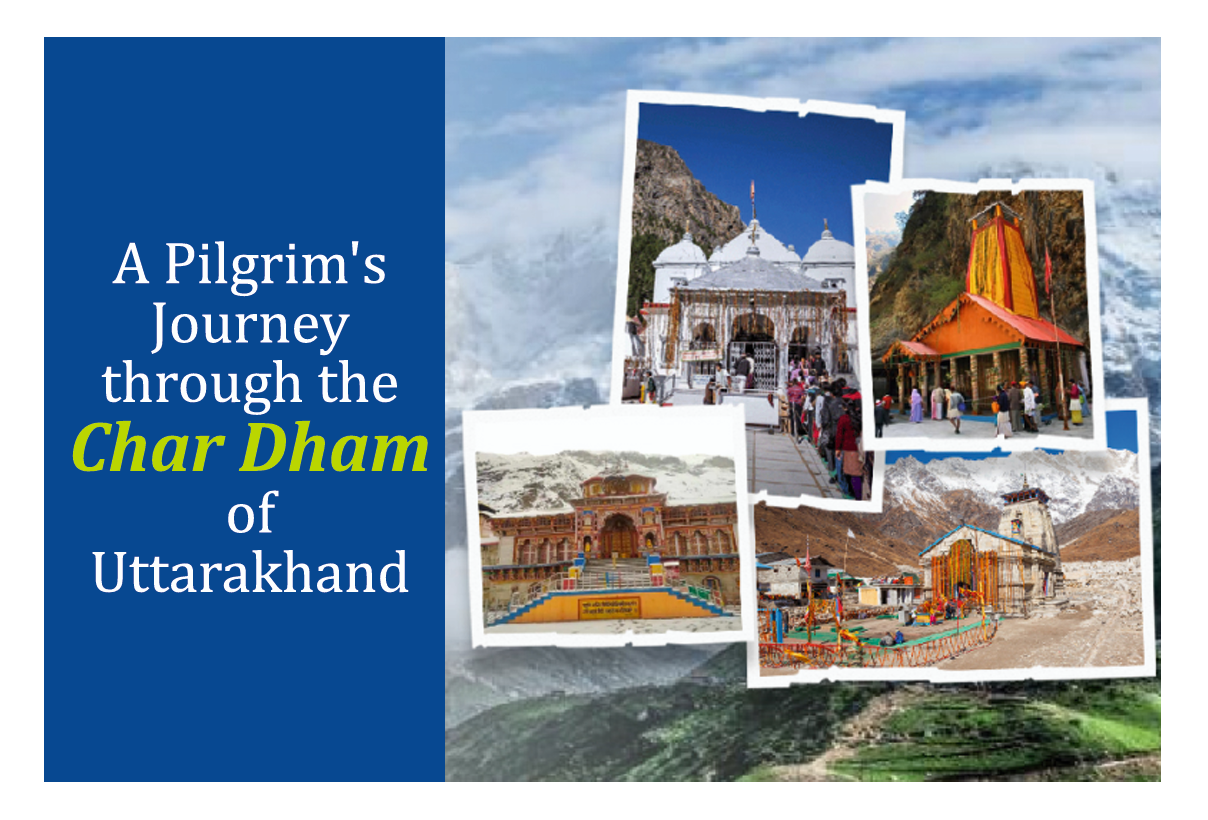
The Char Dham Yatra covers four of the most sacred shrines in Hinduism, all located in the Garhwal Himalayas of Uttarakhand. Yamunotri, Gangotri, Kedarnath, and Badrinath together form a pilgrimage circuit that holds deep religious importance for millions of Indian families.
Completing this yatra by road takes ten to twelve days and involves long drives on mountain terrain. Many pilgrims, particularly older travellers and those with limited time, now choose the helicopter route. It shortens the journey considerably and reduces physical strain without compromising the darshan experience.
This guide covers what the helicopter yatra involves, what to expect at each shrine, how Maha Abhishek Puja works at Kedarnath, and the practical details that help you plan well.
Key Facts at a Glance
| Detail | Information |
| Shrines Covered | Yamunotri, Gangotri, Kedarnath, Badrinath |
| Route Base | Dehradun (Sahastradhara Helipad) or Phata/Sersi/Guptkashi |
| Duration | 5 to 7 days depending on package and weather |
| Season | May to June and September to October (shrines closed in winter) |
| Helicopter Operator Types | Private charter and shared seat options available |
| Kedarnath Puja | Maha Abhishek is a pre-booked ritual; not included by default in all packages |
| Permits Required | Yatra registration is mandatory; done online via the official Uttarakhand portal |
| Physical Fitness | Moderate; short walks required at each shrine even with helicopter |
What the Char Dham Helicopter Yatra Actually Covers
A standard Char Dham helicopter package flies pilgrims from a base helipad to dedicated helipads near each shrine. The route is not one continuous flight; it involves multiple sectors over several days.
At Yamunotri, the helipad is at Kharsali. From there, pilgrims walk or take a palki (palanquin) to the temple. The walk is around 5 to 6 km one way on a mountain trail. At Gangotri, the helipad is close to the town, and the temple is a short walk away.
Kedarnath has its own dedicated helipad roughly 500 metres from the temple. The walk from the helipad to the shrine is manageable for most pilgrims, though the altitude of 3,583 metres above sea level affects some people. Badrinath helipad is very close to the temple, and the walk is minimal.
The helicopter itself does not replace all walking. Pilgrims should be physically prepared for short but steep paths, altitude, and cold temperatures at each site.
Maha Abhishek Puja at Kedarnath: What It Involves
The Maha Abhishek is a formal ritual performed on the Shivalinga inside the Kedarnath temple. It involves bathing the linga with panchamrit, which is a mixture of milk, curd, honey, ghee, and sugar. This is followed by flower offerings, incense, and chanting of specific Vedic mantras by temple priests.
This puja is not a regular part of darshan. It requires advance booking through the Badrinath-Kedarnath Temple Committee (BKTC). Slots are limited, and they fill quickly during peak season.
The puja typically lasts 30 to 45 minutes. Pilgrims are allowed into the inner sanctum in small groups during this ritual, which is different from the general queue darshan where the crowd moves through quickly. It gives a more immersive experience at the shrine.
Not all helicopter packages include Maha Abhishek. When reviewing packages from any of the established Tour Operators in India, confirm in writing whether the puja booking and cost are included or need to be arranged separately.
VIP Darshan: What It Means and What It Does Not
VIP darshan, also called priority darshan or special entry, allows pilgrims to bypass the general queue and access the shrine with less waiting. At Kedarnath and Badrinath, the general queue during peak season can take two to four hours. VIP darshan reduces this to fifteen to thirty minutes in most cases.
VIP darshan is arranged through the temple committee or through registered tour operators holding allotted slots. It is not a separate category of spiritual experience. The darshan itself is the same. What changes is the time spent waiting.
Helicopter packages often bundle VIP darshan for practical reasons. When you fly in for a few hours and fly back the same day, a long wait in the general queue is not feasible. Confirm the darshan type before booking, as some budget helicopter packages do not include this.
How Many Days Does the Char Dham Helicopter Yatra Take?
| Day | Itinerary |
| Day 1 | Arrive Dehradun. Pre-yatra briefing and helipad registration check. |
| Day 2 | Fly to Kharsali (Yamunotri sector). Darshan at Yamunotri. Return to base. |
| Day 3 | Fly to Harsil/Gangotri sector. Darshan at Gangotri. Return to base. |
| Day 4 | Fly to Kedarnath. Darshan and Maha Abhishek Puja. Overnight at Kedarnath or Phata. |
| Day 5 | Morning Kedarnath abhishek (if early slot booked). Fly to Badrinath. |
| Day 6 | Darshan at Badrinath. Mana Village visit if time permits. Return flight. |
| Day 7 | Buffer day for weather delays. Departure from Dehradun. |
Weather cancellations are common at Kedarnath in particular. Cloud cover and wind can ground helicopters for hours or a full day. Always build a buffer day into your plan. Packages that do not include this buffer create serious problems for pilgrims with fixed return tickets.
Budget Planning for Char Dham Helicopter Yatra
| Component | Approximate Cost (Per Person) |
| Shared helicopter seat (all 4 dhams) | Rs 65,000 – Rs 90,000 |
| Private charter (per group, 5–6 seats) | Rs 4,00,000 – Rs 6,50,000 |
| Maha Abhishek Puja at Kedarnath | Rs 7,500 – Rs 14,000 (BKTC rates) |
| VIP Darshan (all shrines) | Rs 3,000 – Rs 8,000 |
| Accommodation (5 nights, mid-range) | Rs 8,000 – Rs 20,000 |
| Meals and local transport | Rs 3,000 – Rs 6,000 |
| Estimated Total (shared helicopter) | Rs 85,000 – Rs 1,30,000 per person |
Prices change each season. Rates published by Travel Agents in India typically include helicopter, accommodation, and meals. Always ask for a full cost breakdown before paying any advance.
When to Book the Char Dham Yatra and When to Travel
| Period | Shrine Status | Weather | Crowd Level | Notes |
| Early May | Just opened | Cold, some snow | Moderate | Book helicopter 2–3 months ahead |
| Mid May – June | Fully open | Pleasant, 10–20°C | Very high | Peak season; book 4–6 months ahead |
| July – August | Open but risky | Heavy rain, landslides | Low | Helicopter services often suspended |
| September – October | Open | Clear skies, cold | Moderate-High | Best window for stable weather |
| November onwards | Closed | Snow | Nil | Shrines shut for winter; no yatra possible |
September and October offer the most reliable flying conditions. The monsoon has passed, skies are generally clear, and temple crowds are lower than May-June. These months suit pilgrims who want a calmer experience and more time at each shrine.
If you are also considering other hill destinations in the region, a Uttarakhand Tour Packages itinerary can combine the Char Dham with Rishikesh, Haridwar, or a post-yatra rest stop in the hills.
Common Mistakes Pilgrims Make During Char Dham Yatra
| Mistake | What Happens | What to Do |
| Not booking Maha Abhishek in advance | Slots are full; puja not possible on the day | Book through BKTC portal at least 60 days ahead |
| No buffer day for weather | Missed shrines, cancelled flights, no refund | Always plan at least one extra day |
| Ignoring altitude sickness | Headaches, nausea, fatigue at Kedarnath and Badrinath | Carry Diamox; descend if symptoms worsen |
| Buying from unregistered operators | No recourse if helicopter cancelled or puja not arranged | Verify DGCA approval and BKTC association |
| Packing heavy luggage | Helicopters have strict weight limits; baggage often left behind | Maximum 5 kg per person in most helicopters |
| Skipping yatra registration | Entry to shrines denied without valid registration ID | Register at registrationandtouristcare.uk.gov.in |
Practical Tips for the Yatra
Clothing and Packing
The temperature at Kedarnath and Badrinath stays between 5 and 15 degrees Celsius even in summer. Carry thermal underlayers, a windproof jacket, and warm socks. Woollen shawls are available to rent near the temples but bring your own if possible.
Health Considerations
Altitude affects people differently. Kedarnath is at 3,583 metres and Badrinath at 3,133 metres. Some pilgrims feel breathless or dizzy. Drink water regularly, avoid rushing, and rest when needed. Consult a doctor before the trip if you have heart or blood pressure conditions.
Connectivity and Cash
Mobile connectivity is limited at Kedarnath and patchy at other shrines. Carry enough cash for offerings, prasad, and meals. ATMs exist in Badrinath town and Joshimath but are sometimes out of service during peak season.
If you are already exploring Chardham Tour Packages and want to include a nearby destination, Chopta and Tungnath are accessible from the Kedarnath route and add a natural dimension to the journey.
Packing List for Char Dham Helicopter Yatra
| Item | Why It Matters |
| Warm jacket and thermals | Temperatures drop sharply at higher shrines |
| Comfortable walking shoes | Short but uneven paths at each helipad to shrine |
| Yatra registration printout | Mandatory for shrine entry; digital copy may not be accepted |
| Valid photo ID | Required at helipads and for hotel check-in |
| Cash (Rs 5,000 minimum) | Limited ATM access near shrines |
| Personal medicines | Diamox, pain relief, antacids, and any regular prescription drugs |
| Rain cover for bag | Useful during Gangotri and Yamunotri visits |
| Small backpack (under 5 kg) | Strict helicopter baggage weight limits apply |
Closing Thoughts
The Char Dham Yatra by helicopter is not a shortcut. It is a different way of approaching the same pilgrimage, suited to those who cannot manage the physical demands of the road route, or who have limited time. The religious experience at each shrine is the same regardless of how you arrive.
Maha Abhishek Puja at Kedarnath remains the highlight of this yatra for most pilgrims. It requires advance planning, but it is achievable if you start the process early.
Plan carefully, choose registered operators, carry the right documents, and build a buffer day into your schedule. A well-planned yatra is one where the journey itself is peaceful. That is ultimately what every pilgrim hopes to bring home.
For those already exploring hill travel in the region, a Nainital tour plan makes a practical and restful add-on before or after the Char Dham, especially for families travelling with children or elderly members.
Frequently Asked Questions
What is included in a Char Dham Yatra by Helicopter package?
A standard package includes helicopter transfers between all four shrines, accommodation for each night, meals, and ground transport from the helipad to the temple. Some packages also include VIP darshan arrangements and yatra registration assistance. Maha Abhishek Puja at Kedarnath is usually an add-on and not part of the base package price. Always ask for a detailed inclusion list before confirming a booking.
How long does the Char Dham Yatra by helicopter take?
Most helicopter packages are designed for five to six nights. Day one is typically for arrival and briefing. Days two to six cover one shrine per day. A seventh day is recommended as a weather buffer, particularly for Kedarnath where fog and wind can delay or cancel flights. Travellers with fixed return dates should plan around this and avoid booking a flight home the morning after the last shrine.
What is the significance of Maha Abhishek Puja at Kedarnath?
The Maha Abhishek is considered one of the most spiritually significant rituals a devotee can perform at Kedarnath. The Shivalinga at this temple is believed to be a swayambhu linga, meaning it emerged naturally from the earth. Performing the abhishek is said to fulfil specific religious wishes and is mentioned in Hindu scriptures as a highly meritorious act. Unlike regular darshan, the abhishek allows close proximity to the linga and direct participation in the ritual.
Is VIP Darshan included in Char Dham helicopter tours?
It depends on the package. Many helicopter packages include VIP darshan because the flying schedule requires pilgrims to visit and return within a limited time window. However, not all packages include it at all four shrines equally. Some include it at Kedarnath and Badrinath but not at Yamunotri and Gangotri, where queue times are generally shorter. Verify shrine by shrine before booking.
What is the best time to book a Char Dham Yatra by Helicopter?
For May and June travel, book by January or February at the latest. Helicopter seats and Maha Abhishek puja slots for the peak season fill up within weeks of the shrine’s opening date being announced. For September and October travel, booking in July gives a reasonable margin. Last-minute helicopter bookings in peak season are very difficult and almost always more expensive when available at all.