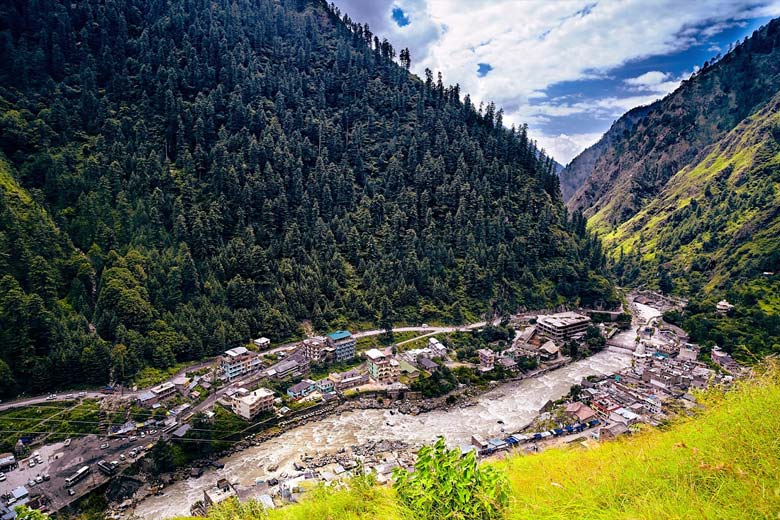
The mighty Himalayas hold secrets far beyond their snow-capped peaks. When you explore the northern ridges, you enter Dev Bhoomi Himachal, an ancient territory governed entirely by local deities and deeply rooted spiritual customs. Visitors often search for standard Himachal tour packages to see the landscapes, yet the true essence lies within the wooden temples and village squares. We understand this region intricately, having observed the profound faith that dictates every harvest and festival. Let us walk you through the unique religious fabric of this mountainous sanctuary.
What Are The Unique Religious Beliefs In Dev Bhoomi Himachal Pradesh?
In this high-altitude state, the spiritual hierarchy operates differently from the plains. Every village answers to an Ishta Devata, a specific local god who acts as the supreme leader of that community. These deities do not simply reside inside shrines; they actively participate in daily human affairs. They own the lands, protect the dense cedar forests, and resolve domestic disputes through designated human oracles known as Gurs.
- The local deity must grant explicit permission before villagers can cut trees or construct new houses.
- Farmers present their very first crop harvest to the temple before bringing any food home.
- The entire community gathers to carry their gods in ornate wooden palanquins during regional festivals.
The absolute devotion to these local forces shapes the entire social structure. Nothing happens without divine consent, making the relationship between humans and their gods highly personal and direct. Many prospective visitors consult experienced travel agents in India to secure access to these remote sanctuaries. The builders of these communities used a specific indigenous technique called Kath Kuni, alternating layers of heavy stone with thick wooden beams to provide absolute structural flexibility.
Which Ancient Temples Define The History Of Dev Bhoomi Himachal?
The architectural heritage of the region reflects both religious devotion and practical survival against harsh weather. You will find structures built entirely without modern machinery, standing firm against centuries of earthquakes and severe winters.
| Temple Name | Architectural Style | Core Historical Belief |
| Hadimba Devi | Four-tiered wooden pagoda | Dedicated to the demon goddess from the Mahabharata epic. |
| Baijnath Temple | Classical stone Shikhara | A thirteenth-century shrine where Ravana worshipped Lord Shiva. |
| Jwalaji Shrine | Gold-layered dome | Houses an eternal natural gas flame representing the goddess. |
These specific sites draw thousands of pilgrims annually. They stand as physical proof of the enduring Himalayan faith.
How Do Local Deities Dictate Daily Village Customs?
The authority of the village god extends into every single aspect of domestic life. If two families disagree over a land boundary, they do not consult a lawyer first; they bring the matter before the temple oracle. This system maintains order and mutual respect across isolated valleys.
- Villagers observe strict purity rituals before approaching the main temple complex.
- The deities regularly travel across valleys to visit their divine brothers and sisters.
- Musicians accompany the gods during all journeys, playing traditional brass instruments and large drums.
Choosing comprehensive Dev Bhoomi Himachal tour packages allows you to witness these extraordinary processions firsthand. You might see a deity leaning heavily to one side, which locals interpret as the god expressing a specific demand or showing displeasure. The mountain people follow these physical cues with absolute obedience.
Why Is The Traditional Devta System Still Relevant Today?
Modern technology has reached the highest altitudes, yet the traditional belief system remains completely unbroken. The harsh geography demands immense communal cooperation, and the local gods provide the ultimate unifying force. When natural disasters strike, the community looks to the temple for both practical refuge and spiritual guidance.
- Forests belonging to the deities remain entirely untouched by commercial logging operations.
- Annual fairs bring distant families together, ensuring strong social bonds across isolated districts.
- The strict temple rules prevent over-exploitation of natural water sources and agricultural lands.
Many prominent travel agents in India emphasize this ecological balance when briefing new visitors. The fear of divine retribution serves as the strongest environmental protection policy in the region. The modern world respects this ancient method of conservation. The Himalayan people understand that their survival depends entirely on respecting the natural elements governed by their respective gods.
Understanding these traditions requires deliberate observation and immense cultural respect. When you enter a high-altitude village, you step into a functioning theocracy where ancient rules apply strictly to every guest. The locals expect visitors to honour their ways without question. You must never touch the wooden palanquins, and you must always remove your shoes far from the temple steps. Furthermore, photography is often strictly prohibited to maintain the sanctity of the daily rituals. The residents guard their heritage fiercely against inappropriate commercialisation.
If you wish to navigate these intricate cultural landscapes respectfully, you need proper guidance. Booking precise Himachal tour packages ensures you visit these sacred spaces without violating strict village boundaries. The logistics of moving through mountainous terrain while adhering to sudden religious festival schedules require significant professional expertise. Finding a knowledgeable guide who understands the specific dialects and regional protocols remains vital for a successful and respectful journey. Attempting to manage these complex remote routes independently often leads to avoidable cultural misunderstandings and severe travel delays across the steep valleys. We strongly advise securing dedicated local support well before your actual physical arrival in the high mountains. Working with established regional experts changes the entire dynamic. As one of the most reliable travel agents in India, Swan Tours operates out of Delhi to provide meticulously planned itineraries that honour local sensitivities. They manage all transport and accommodation hurdles, allowing you to absorb the spiritual atmosphere completely.
Frequently Asked Questions
Who is an Ishta Devata in Himachali culture?
An Ishta Devata acts as the supreme ruling deity of a specific village, guiding the daily decisions and social laws of that community.
What is the Kath Kuni architectural style?
It is an indigenous building method alternating stone and wooden beams, designed specifically to absorb earthquake tremors in the mountains.
Can tourists booking Himachal tour packages attend the local deity festivals?
Yes, visitors may observe these festivals respectfully from a distance, provided they follow all purity rules and dress codes mandated by the village.